
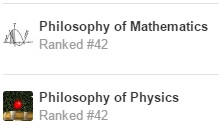
Current (global?) status on Quora for those topics (Nathan Coppedge). See: https://www.quora.com/profile/Nathan-Coppedge/highlights to view all rankings.
View my papers at: http://www.southernct.academia.edu/NathanCoppedge
 GOOOD GUIDE ME VSVSVI should stretch, and avoid adventure. Known as Philosopher, Artist, Inventor, Poet. I live in New Haven near Yale University though I have never been an official student. Known mainly as a writer at Quora.com and as an Amazon author.
GOOOD GUIDE ME VSVSVI should stretch, and avoid adventure. Known as Philosopher, Artist, Inventor, Poet. I live in New Haven near Yale University though I have never been an official student. Known mainly as a writer at Quora.com and as an Amazon author.
GOOOD GUIDE ME VSVSVI should stretch, and avoid adventure. Known as Philosopher, Artist, Inventor, Poet. I live in New Haven near Yale University though I have never been an official student. Known mainly as a writer at Quora.com and as an Amazon author.
GOOOD GUIDE ME VSVSVI should stretch, and avoid adventure. Known as Philosopher, Artist, Inventor, Poet. I live in New Haven near Yale University though I have never been an official student. Known mainly as a writer at Quora.com and as an Amazon author.
GOOOD GUIDE ME VSVSVI should stretch, and avoid adventure. Known as Philosopher, Artist, Inventor, Poet. I live in New Haven near Yale University though I have never been an official student. Known mainly as a writer at Quora.com and as an Amazon author.
GOOOD GUIDE ME VSVSVI should stretch, and avoid adventure. Known as Philosopher, Artist, Inventor, Poet. I live in New Haven near Yale University though I have never been an official student. Known mainly as a writer at Quora.com and as an Amazon author.
GOOOD GUIDE ME VSVSVI should stretch, and avoid adventure. Known as Philosopher, Artist, Inventor, Poet. I live in New Haven near Yale University though I have never been an official student. Known mainly as a writer at Quora.com and as an Amazon author.
GOOOD GUIDE ME VSVSVI should stretch, and avoid adventure. Known as Philosopher, Artist, Inventor, Poet. I live in New Haven near Yale University though I have never been an official student. Known mainly as a writer at Quora.com and as an Amazon author.
GOOOD GUIDE ME VSVSVI should stretch, and avoid adventure. Known as Philosopher, Artist, Inventor, Poet. I live in New Haven near Yale University though I have never been an official student. Known mainly as a writer at Quora.com and as an Amazon author.
GOOOD GUIDE ME VSVSVI should stretch, and avoid adventure. Known as Philosopher, Artist, Inventor, Poet. I live in New Haven near Yale University though I have never been an official student. Known mainly as a writer at Quora.com and as an Amazon author.
GOOOD GUIDE ME VSVSVI should stretch, and avoid adventure. Known as Philosopher, Artist, Inventor, Poet. I live in New Haven near Yale University though I have never been an official student. Known mainly as a writer at Quora.com and as an Amazon author.
GOOOD GUIDE ME VSVSVI should stretch, and avoid adventure. Known as Philosopher, Artist, Inventor, Poet. I live in New Haven near Yale University though I have never been an official student. Known mainly as a writer at Quora.com and as an Amazon author.
GOOOD GUIDE ME VSVSVI should stretch, and avoid adventure. Known as Philosopher, Artist, Inventor, Poet. I live in New Haven near Yale University though I have never been an official student. Known mainly as a writer at Quora.com and as an Amazon author.
GOOOD GUIDE ME VSVSVI should stretch, and avoid adventure. Known as Philosopher, Artist, Inventor, Poet. I live in New Haven near Yale University though I have never been an official student. Known mainly as a writer at Quora.com and as an Amazon author.
GOOOD GUIDE ME VSVSVI should stretch, and avoid adventure. Known as Philosopher, Artist, Inventor, Poet. I live in New Haven near Yale University though I have never been an official student. Known mainly as a writer at Quora.com and as an Amazon author.
MOOD (OA)L * SYSS M (GGO) * VALO 'N (HHA) TOO MAGESTIC:11 TOO MAGESTIC LOGIC MATH LANGUAJ TOO LINEAR: MODE L SYSS M VALO 'N OATSSY...


